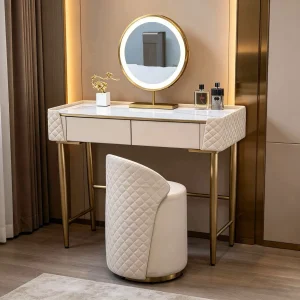
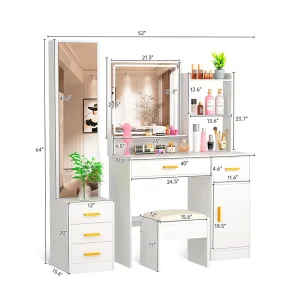
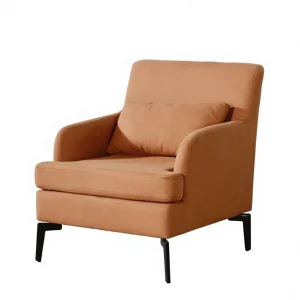
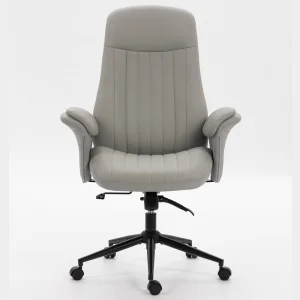
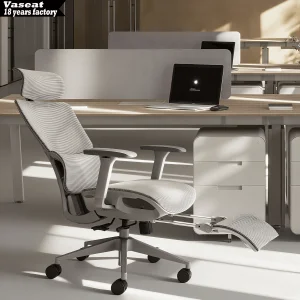
Explore our high-performance vanity systems, customized office seating, and bespoke interior furniture developed for volume distributors and contract markets.
How rapid urbanization, smart-home standardizations, and direct-to-consumer e-commerce channels are redefining the vanity table manufacturing sector.
The global vanity dressing table market has transitioned from a traditional wooden bedroom fixture into an integrated, smart home category that is driven by consumer wellness and cosmetic tech demand. According to recent B2B supply-chain analysis, global trade values for premium bedroom casegoods exceeded USD 4.8 billion in 2024. Driven by the expansion of residential floor space in developing regions and high density luxury multi-family living units in metropolitan corridors, import demand continues to grow consistently.
Modern consumers require more than basic storage. They demand interactive vanity hubs featuring capacitive smart sensors, customizable biophilic LED lighting arrays, built-in wireless charging coils, and concealed power bays. For high-volume global buyers, this shift changes the procurement process. Sourcing teams can no longer look only at traditional carpenters; they must find engineering-focused manufacturers that can easily integrate structural cabinetry, hardware mechanics, electrical safety elements, and high-performance flat-pack logistics.
A closer look at how a vertically integrated manufacturing infrastructure delivers commercial-grade reliability to wholesalers, importers, and e-commerce brands.
Langfang Oakes Furniture Co., Ltd. is a professional furniture manufacturer dedicated to designing, developing, and producing high-quality furniture for global wholesale and commercial markets. Located in Langfang, China, the company combines years of manufacturing expertise with advanced production technology to deliver reliable products and customized solutions for customers worldwide.
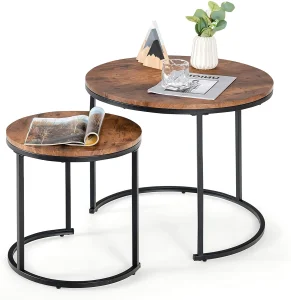
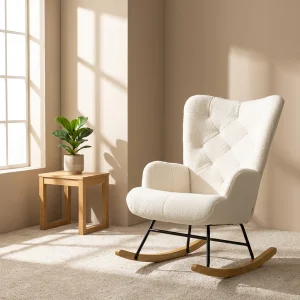
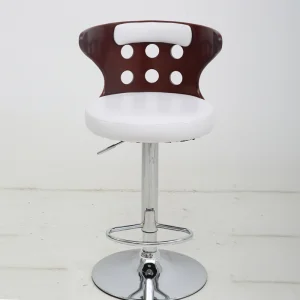
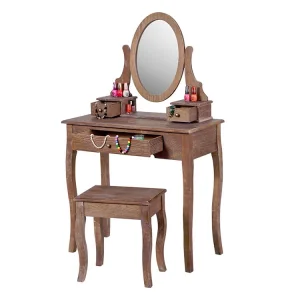
With a strong focus on craftsmanship, quality, and innovation, we specialize in a wide range of modern furniture, including vanity tables, dining chairs, coffee tables, side tables, and other home and commercial furniture. Our products are exported to Europe, North America, the Middle East, Southeast Asia, and many other international markets. At Oakes Furniture, every product is manufactured with careful attention to detail, combining functionality, contemporary design, and long-lasting durability.
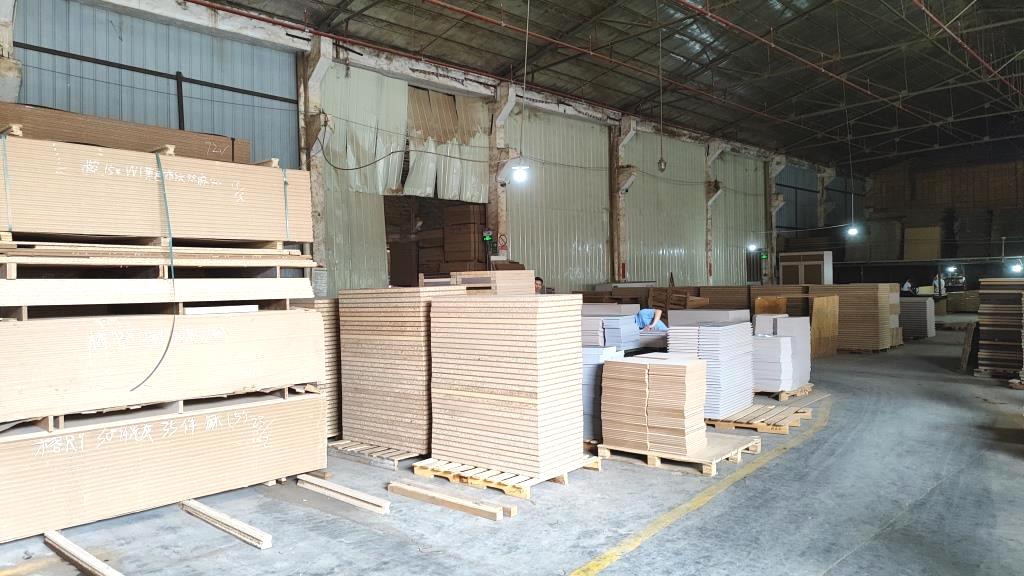
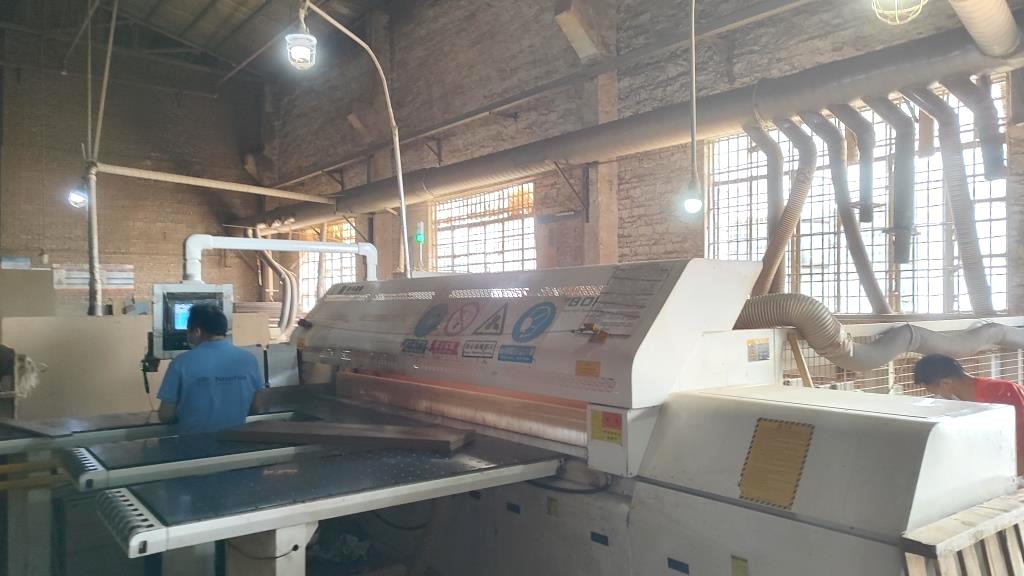
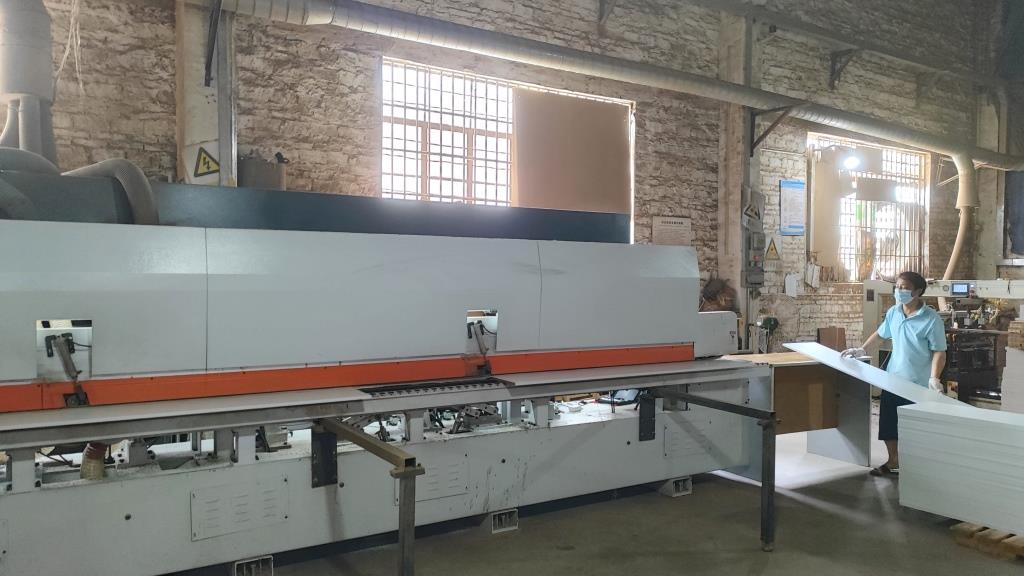
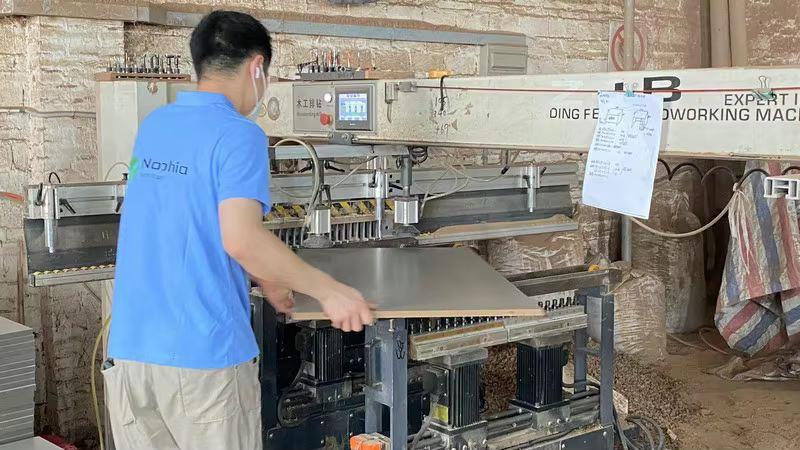
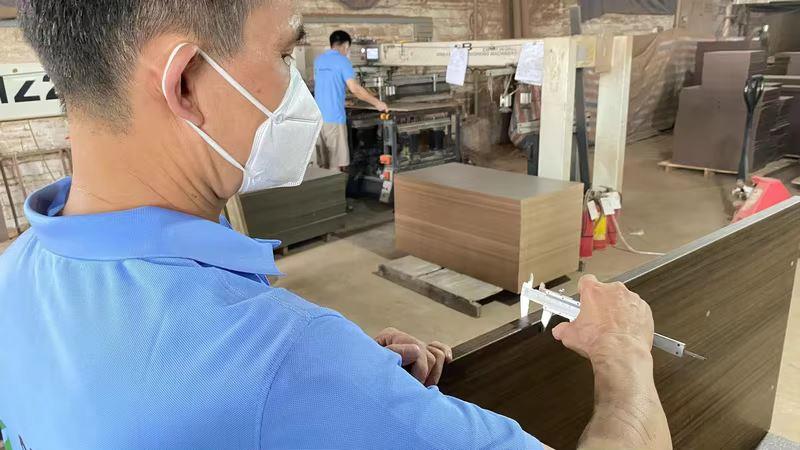
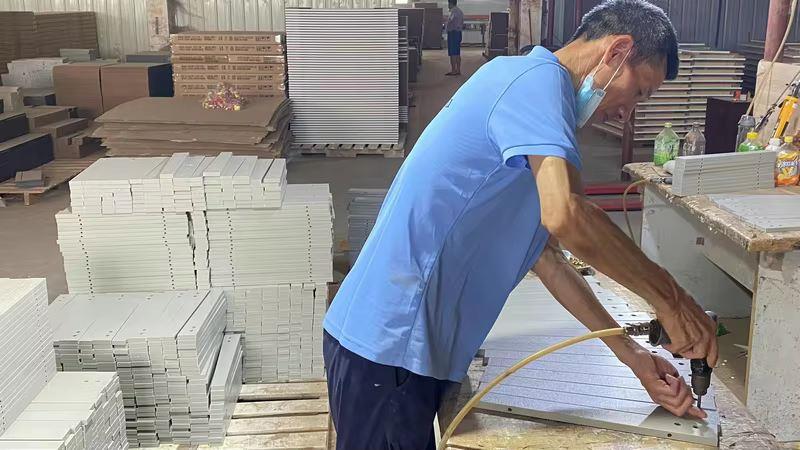

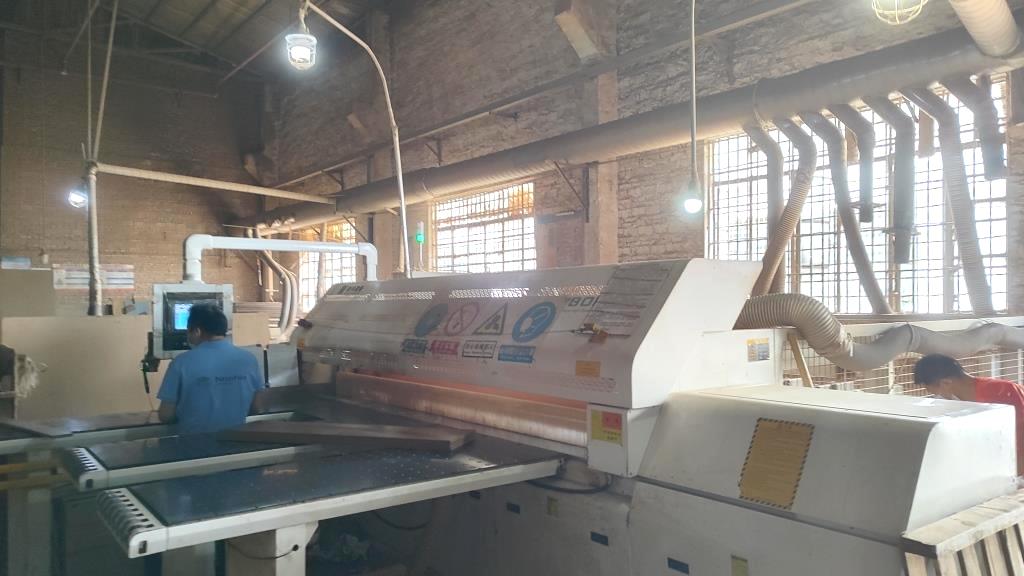
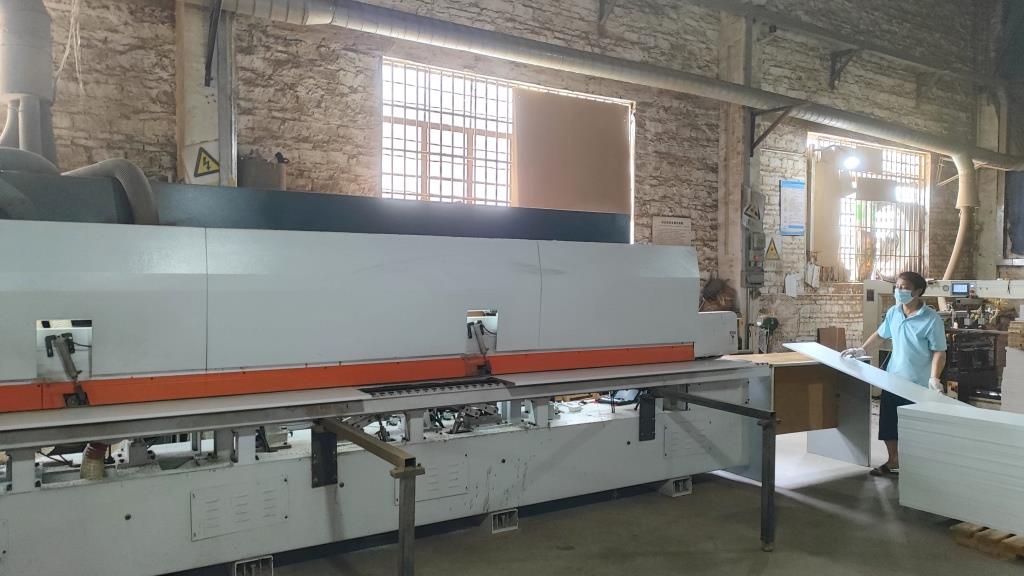
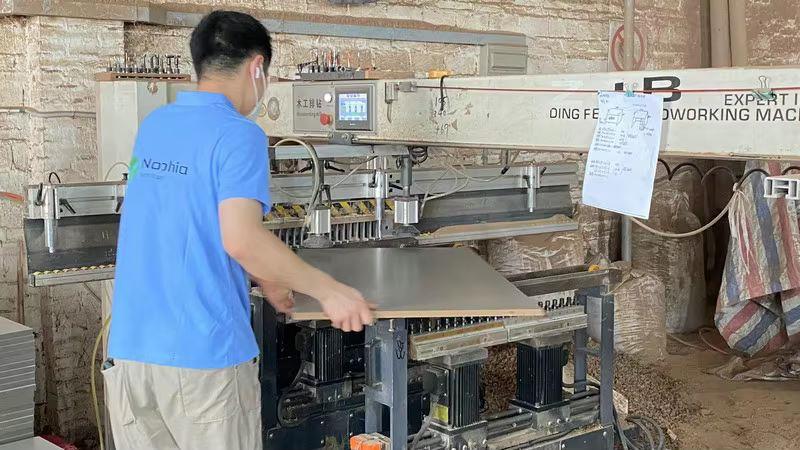
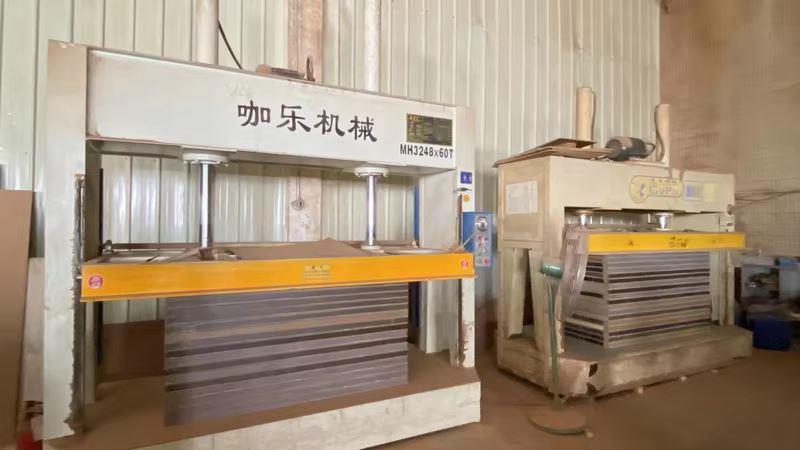
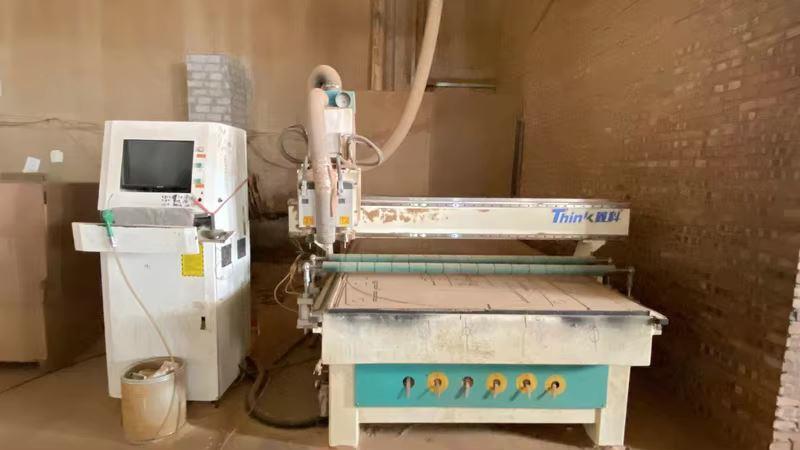
Integrating global engineering practices and quality assurance checks to manage risks in large-volume furniture imports.
Our skilled manufacturing technicians maintain consistent tolerances across all production stages, ensuring exact dimensions for clean final assembly.
An independent, internal quality assurance team checks all raw materials and monitors dimensional tolerances, surface finishes, and hardware integrity.
We source clean, sustainable raw materials, including FSC-certified solid wood core substrates and formaldehyde-free lacquers, satisfying EU and US customs requirements.
Our facility runs modern high-speed CNC routers, automated edge banders, and computer-controlled drilling machines to execute large production runs quickly.
Every vanity unit, console desk, and accent chair undergoes structural testing and a complete hardware check before final flat-packing.
We customize dimensions, panel colors, drawer runners, vanity mirrors, and power options to align with your brand's market requirements.
A structured framework used by enterprise sourcing agencies to score, qualify, and select long-term manufacturing partners.
Evaluating vanity table suppliers requires looking at more than unit prices. Global procurement managers use a multi-variable scoring model to minimize post-purchase risks, quality issues, and customs delays. If you are a sourcing manager at a retail chain or a high-volume e-commerce brand, your evaluation matrix should focus on these four main pillars:
1. Raw Material Certifications & Chemical Compliance: Manufacturers must provide verifiable compliance records. Sourcing panels that fail to meet local limits on formaldehyde emissions can result in customs holds or heavy penalties at the destination port. Verify CARB Phase 2, EPA TSCA Title VI, or European E1/E0 credentials.
2. Structural Integrity & Load Capacity Testing: Vanities with glass tops, mirrors, and drawers need to handle continuous daily use. Quality manufacturers verify their designs with cycle tests on drawer slides, hinge durability tests, and weight capacity checks for vanity stools.
3. Electrical Safety Compliance for Smart Vanities: Incorporating LED mirrors, touch controls, and outlets shifts a product from simple furniture to a regulated appliance. Verify that the supplier uses UL, CE, FCC, or RoHS certified light strips and power bricks.
4. Transit Packaging Optimization: The cost of handling shipping damage can quickly erase your margins. Sourcing departments should prioritize manufacturers that use ISTA-3B or ISTA-6 standards for their packaging, featuring corner guards, dense foam wraps, and drop-tested cartons.
Navigating import duties, regional chemical restrictions, and logistics planning for reliable ocean freight delivery.
Shipping large furniture pieces across international borders requires a clear understanding of regional customs laws and shipping operations. For vanity tables exported from major manufacturing centers to North America and Western Europe, particular attention must be paid to anti-dumping rules and duty tariffs. Diversified factories mitigate these risks by optimizing customs documentation, utilizing tariff classifications correctly, and designing flat-packs that reduce cubic volume (CBM) in shipping containers.
Additionally, modern global supply chains are heavily exposed to maritime transport issues. To ensure stable supply pipelines, enterprise buyers should look for manufacturers that support flexible shipping terms, such as FOB, CIF, or DDP. Sourcing firms can establish stable inventory levels by using mixed-container systems and managing lead times through forecasted production schedules.
A look at the upcoming designs, materials, and digital integrations set to reshape the market over the next five years.
The vanity table industry is moving toward greater smart home integration. By 2026, premium vanity systems will likely feature built-in voice assistants, smart displays behind the glass, and advanced light panels that simulate different outdoor conditions. These tech improvements turn the dressing table into a centralized hub for personal care and smart home control.
On the environmental side, factories are adopting sustainable production methods. We see increasing use of bio-based resins, water-based finishes, and structural components made from recycled fibers. Brands that align with these green initiatives are better positioned to meet the demands of eco-conscious consumers and increasingly strict environmental standards globally.
Clear, direct answers to common questions about quality standards, minimum orders, customization options, and logistics.
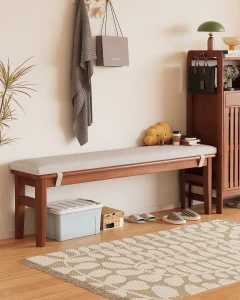
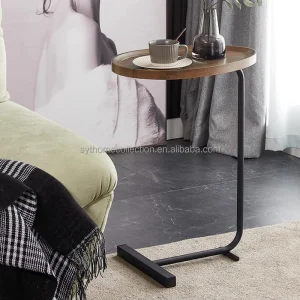
Explore our selection of solid wood benches, vintage vanities, space-saving side tables, and ergonomic seating options.
 Oakes Furniture