The global outdoor and garden furniture market has undergone a significant paradigm shift. Historically driven by residential demands, the modern market dynamics are heavily dictated by municipal infrastructure development, global tourism revivals, and high-performance commercial real estate projects. As the boundary between indoor and outdoor environments blurs, designers and engineers seek outdoor furniture solutions that offer high structural integrity, weatherability, and architectural aesthetic compatibility.
Analyzing high-grade alloys, polymer extrusion matrices, and certified teakwood structures. Sourcing focuses on materials that resist UV degradation, chlorine erosion, and physical wear under extreme temperature differentials.
How top manufacturers maintain flat-pack and space-efficient designs (such as stackable configurations and folding structures) to offset ocean freight volatility and storage overheads.
Developing frameworks to audit vendors against ISO 9001, BIFMA testing norms, EN 581 outdoor safety standards, and sustainable wood certifications (FSC/PEFC).
Procuring agents and designers no longer settle for static designs. The modern garden and patio landscape is highly interactive, requiring furniture manufacturers to invest in R&D to meet complex consumer and regulatory expectations. The integration of advanced polymer sciences and metallic coating technologies stands at the forefront of this industrial shift.
Modern iron and steel garden structures are susceptible to rust without chemical pretreatment. Leading manufacturers implement electrophoretic deposition (E-coating) coupled with weather-resistant polyester powder coatings (e.g., Tiger Drylac coatings). This creates a dual-layer barrier against moisture, salt spray, and impact, ensuring compliance with ISO 9227 salt spray testing parameters.
Global architectural standards (such as LEED and BREEAM) reward developers who integrate sustainable products. The industry is moving rapidly toward recycled ocean plastics, FSC-certified reclaimed timber, and infinitely recyclable aerospace-grade aluminum. Supplying organizations must provide full chain-of-custody certificates to satisfy these green building criteria.
Urban planning initiatives require furniture that easily transitions between high-density public squares and private balconies. The use of space-optimizing profiles, high-back support contours, memory foam adaptations, and modular, multi-angle folding mechanisms is rising. This ensures that comfort is not sacrificed in high-traffic commercial environments.
High-volume suppliers utilize CNC pipe bending, robotic welding stations, and computer-guided laser profiling to achieve extreme precision. This automated standard guarantees batch-to-batch consistency and significantly reduces manufacturing lead times for large-scale B2B orders.
Langfang Oakes Furniture Co., Ltd. is a professional furniture manufacturer dedicated to designing, developing, and producing high-quality furniture for global wholesale and commercial markets. Located in Langfang, China, we combine years of manufacturing expertise with advanced production technology to deliver reliable products and customized solutions for customers worldwide.
With a strong focus on craftsmanship, quality, and innovation, we specialize in a wide range of modern furniture, including dining tables, dining chairs, coffee tables, side tables, and other home and commercial furniture. Our products are exported to Europe, North America, the Middle East, Southeast Asia, and many other international markets.
At Oakes Furniture, every product is manufactured with careful attention to detail, combining functionality, contemporary design, and long-lasting durability. Whether you are a furniture brand, wholesaler, retailer, importer, or project contractor, we are committed to providing products and services that meet your business requirements and exceed your expectations.
Precision and quality are achieved through standard operating procedures (SOPs). The Langfang Oakes facility features modern manufacturing machinery and clear control protocols at every stage.
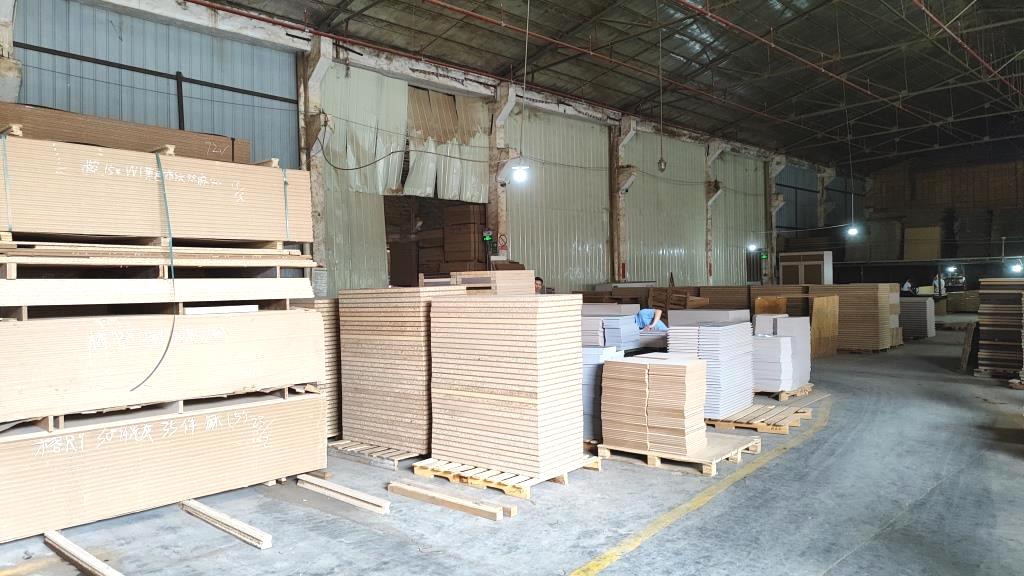
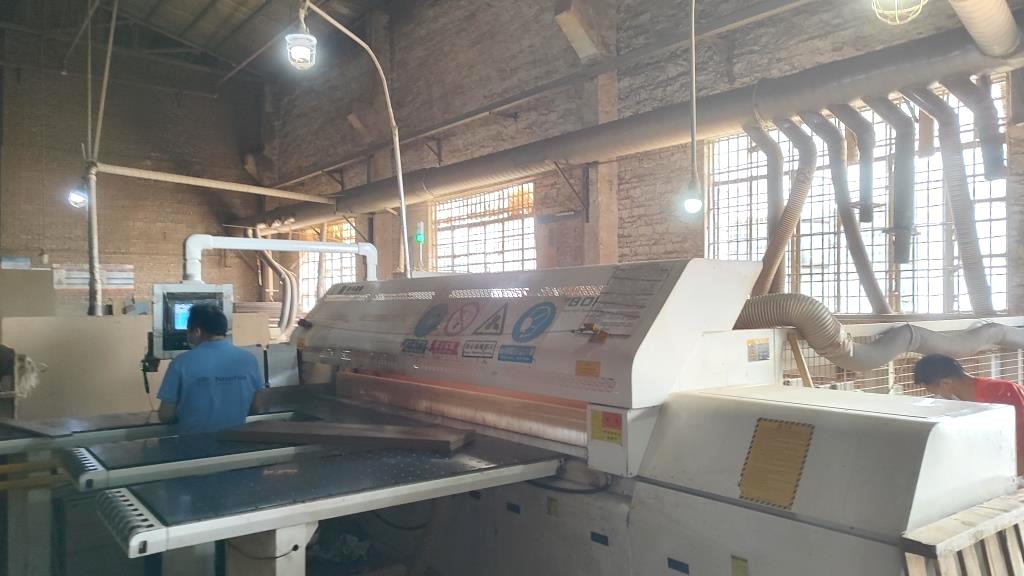
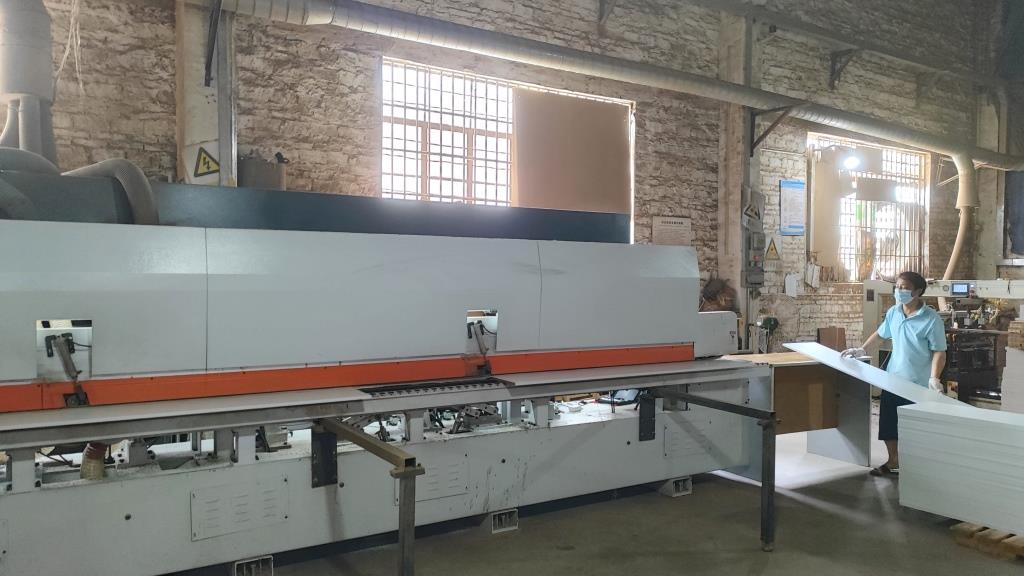
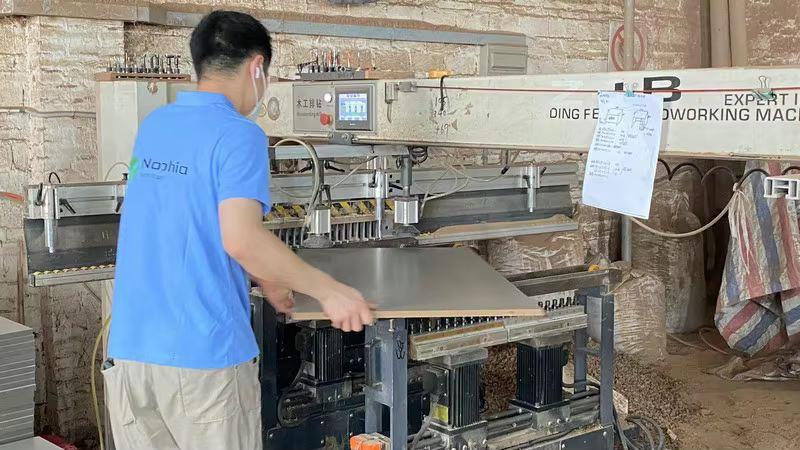
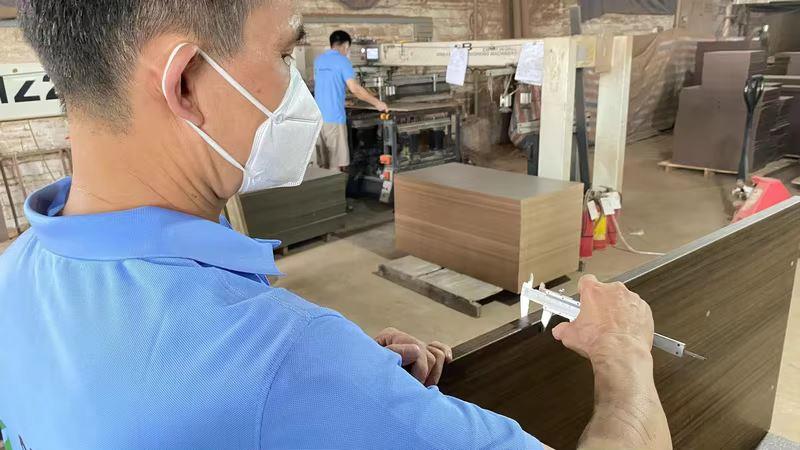
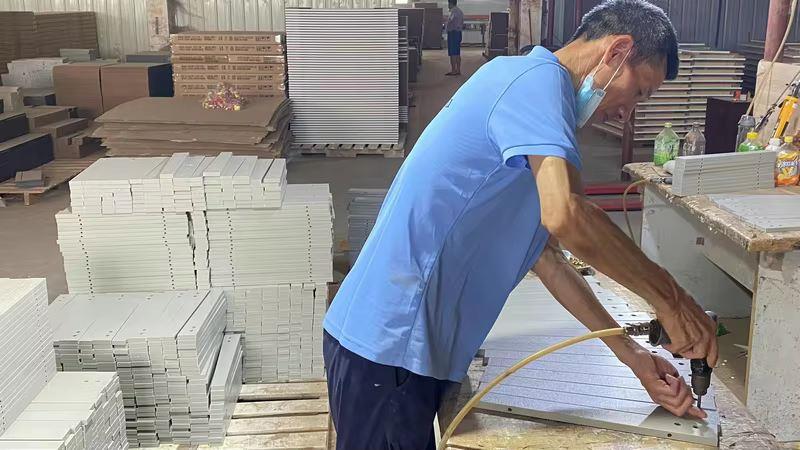
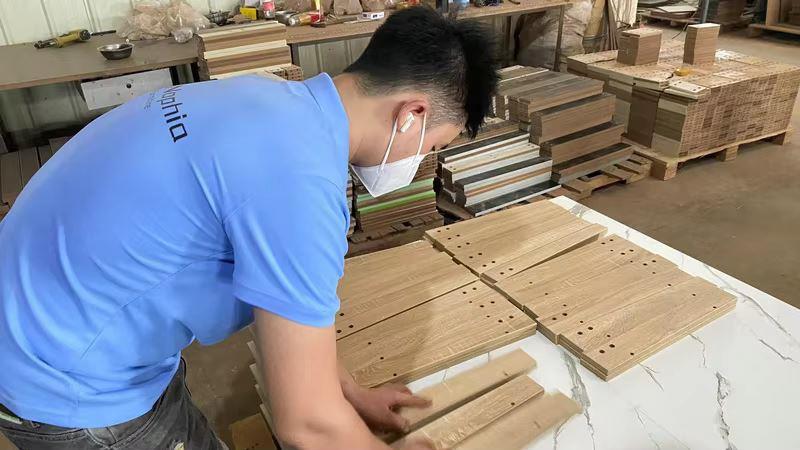
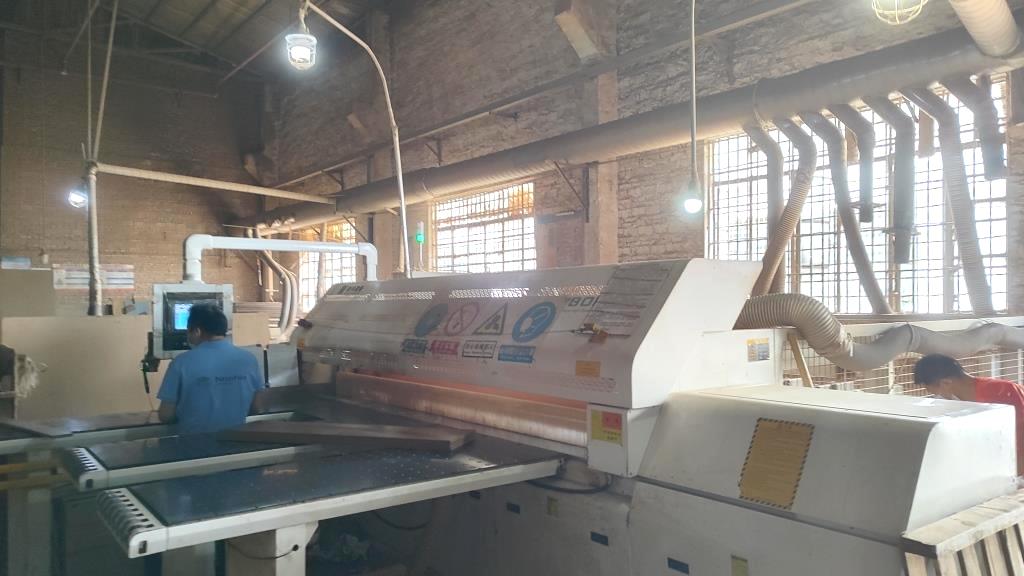
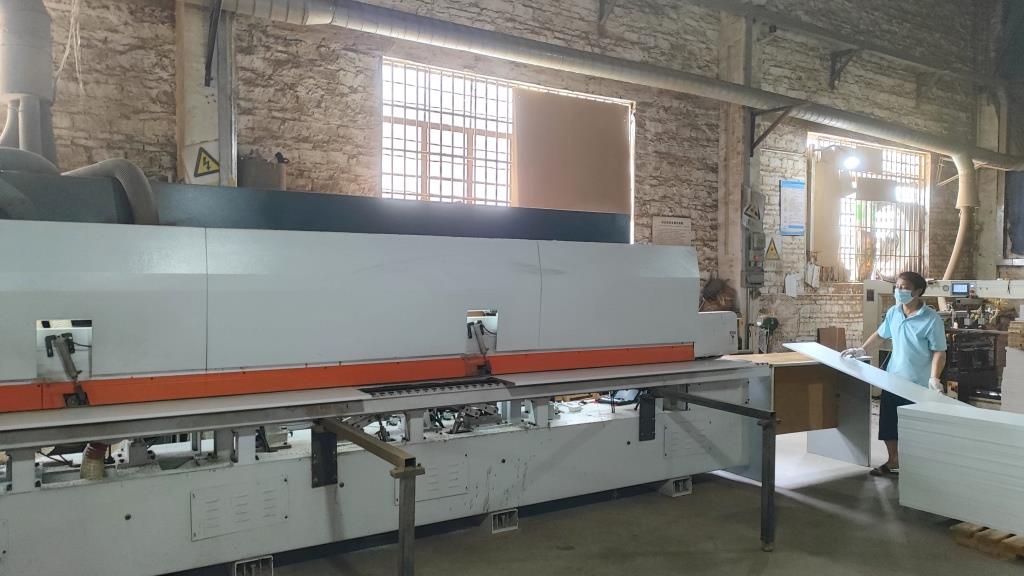
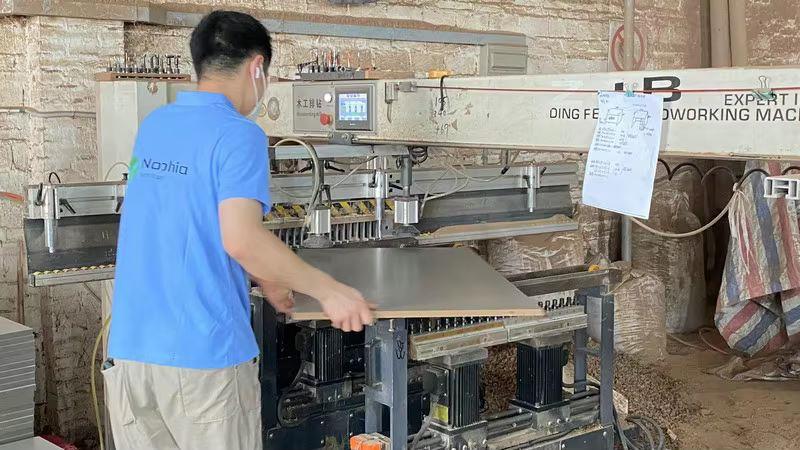
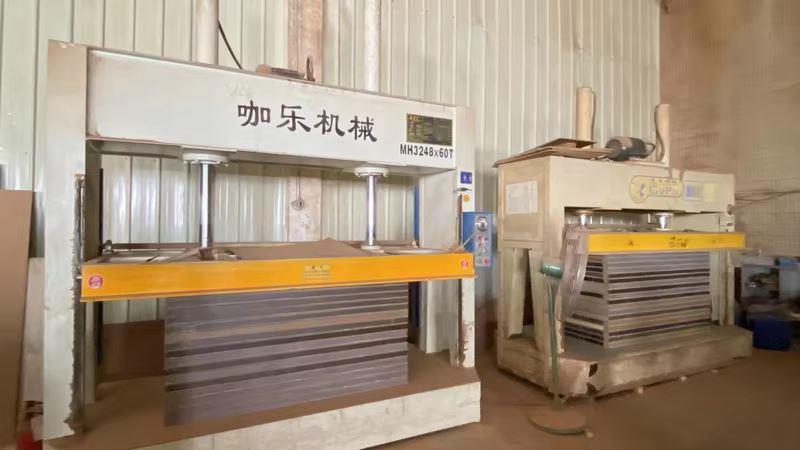
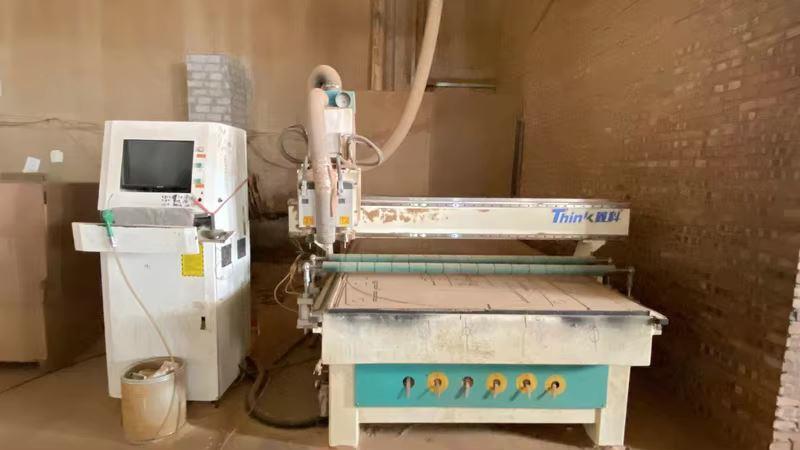
Sourcing strategies must adapt to the regional environment and project demands. Different regions require different material treatments and configurations.
Due to cold winters and persistent rain, European specifications call for high-density wood polymers, BIFMA-compliant rustproof stainless steels (grade 304/316), and quick-dry synthetic meshes. Commercial designs prioritize clean, minimal lines.
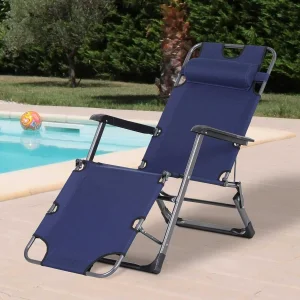
North American buyers prioritize UV-stable, non-fading structural elements and spacious, ergonomic comfort profiles. High-back support configurations, heavy steel bases, and multi-angle folding lounges perform well in this market.
Coastal and desert projects require extreme heat tolerance and salt spray resistance. Premium powder coatings and anodized aluminum frames are essential to prevent paint peeling and material degradation in high-salinity coastal areas.
 Oakes Furniture