Analyzing the global market dynamics, macro-economic demand drivers, and the critical role of commercial-grade counter seating in architectural design.
The global commercial furniture market has undergone a dramatic paradigm shift over the past decade, with bar stools and high-counter seating solutions emerging as pivotal components of modern layout design. No longer confined to traditional hospitality environments like taverns and bistros, high-level seating has transitioned into corporate offices, open-plan workspaces, institutional learning hubs, and luxury multi-family residential developments. The transition is fueled by architectural preferences for agile spaces, informal meeting zones, and space-optimization strategies in premium metropolitan real estate.
From an industrial perspective, the global bar stool market is driven by rigorous commercial demands. Unlike residential seating, commercial-grade furniture must withstand high-frequency physical stress, demanding compliance with rigorous safety benchmarks like ANSI/BIFMA X5.1 (General Purpose Office Chairs) and BIFMA X5.4 (Public Seating). Procurement directors, contract interior designers, and hospitality project managers are increasingly looking for manufacturing partners capable of delivering seating solutions that blend advanced ergonomics with structural durability, flame-retardant textiles, and eco-friendly finishes. Today, selecting the right manufacturer involves evaluating not just cost, but also supply chain integration, quality control protocols, and custom OEM/ODM design scalability.
Direct from our manufacturing facility, discover our globally exported selection of versatile commercial-grade seating, tables, and functional furniture elements.
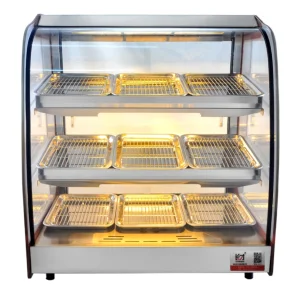
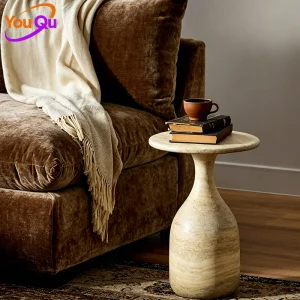
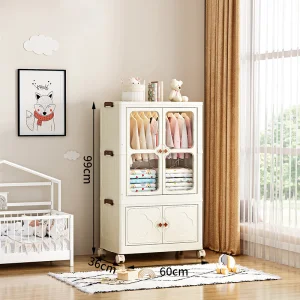
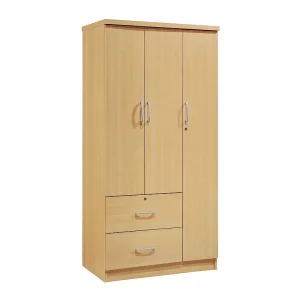
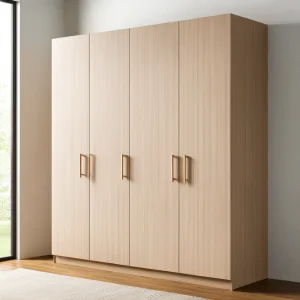
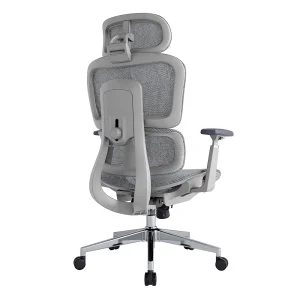
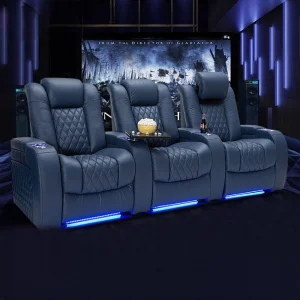
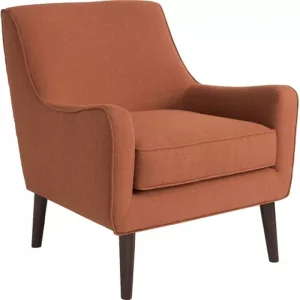
Why Northern Chinese manufacturing hubs remain the epicenter of the global contract and hospitality furniture supply chain.
When global buyers seek a reliable bar stool manufacturer, geographic concentration matters. The city of Langfang, situated in the heart of the Beijing-Tianjin-Hebei economic corridor, stands as a prime example of an integrated industrial cluster. This ecosystem offers unparalleled advantages in raw material procurement, metal processing, automated woodworking, and global shipping logistics. Rather than relying on fragmented sub-suppliers, manufacturers located in this region operate within a hyper-localized supply loop that reduces waste, cuts lead times, and stabilizes material costs.
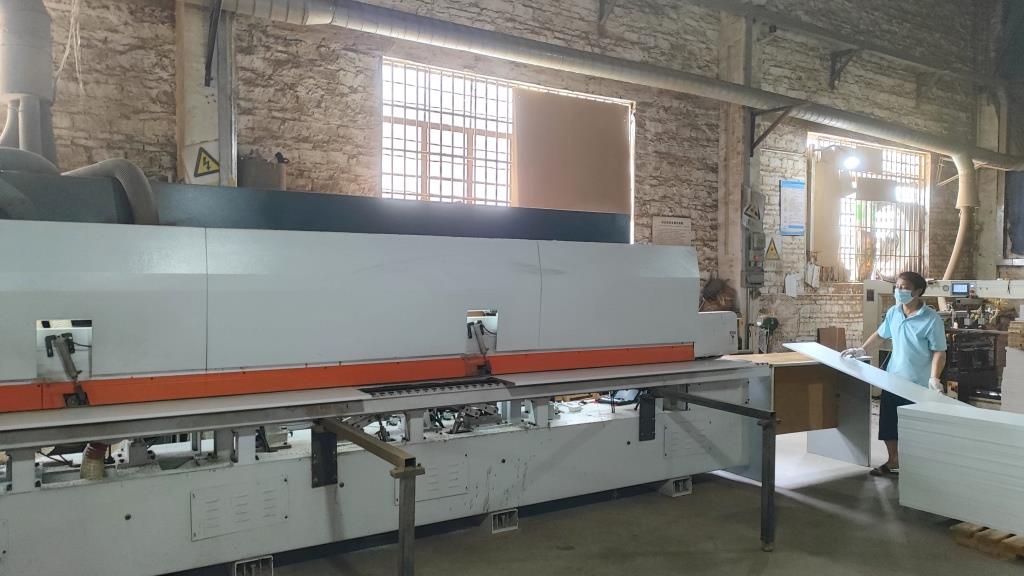
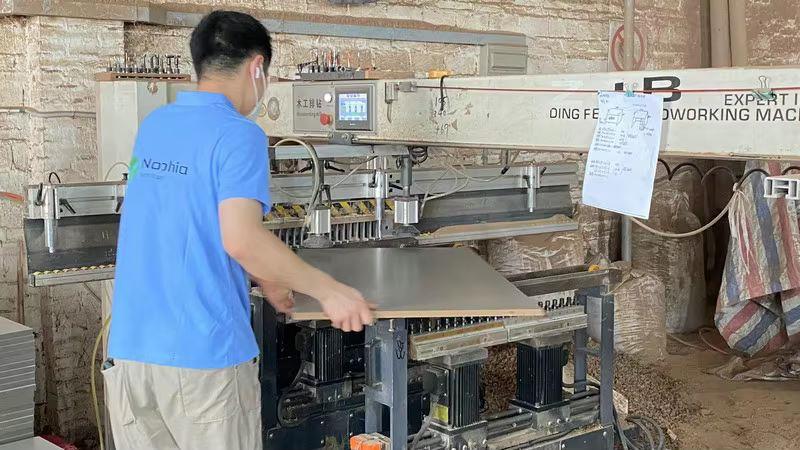
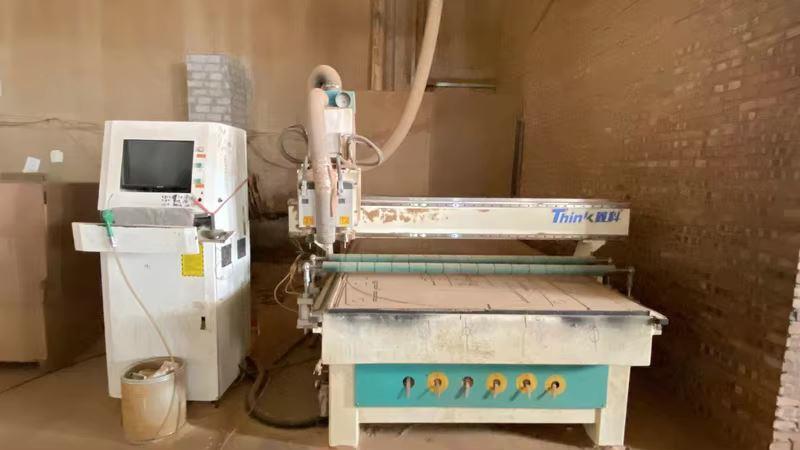
The efficiency of a modern Chinese factory is anchored by capital investment in precision machinery. Standard processes are dominated by multi-axis CNC routers, high-speed automated edge banders, automated tube-bending robots, and dust-free electrostatic powder coating lines. This automation ensures that whether a B2B buyer orders a single container or a rolling contract of 10,000 units, the manufacturing tolerance is kept to sub-millimeter levels. This structural consistency is critical for high-use public areas like food courts, upscale restaurants, and airport lounges, where uneven frame welding or misaligned structural hardware can lead to catastrophic structural failure and liability issues.
Moreover, local manufacturers offer superior customization options. Through advanced OEM and ODM services, global buyers can supply custom technical CAD drawings or 3D files, allowing factories to build prototypes in days. Because the local supply chain offers direct access to premium, sustainable woods, certified eco-friendly resins, and structural steels of varying wall thicknesses, the raw material cost is highly optimized. Coupled with efficient sea transport options departing from nearby major shipping ports, sourcing directly from specialized factories remains the most viable strategy for major commercial projects.
A leading force in commercial and residential furniture production, combining design innovation, expert craftsmanship, and global logistics capability.
Langfang Oakes Furniture Co., Ltd. is a premier furniture manufacturer dedicated to designing, developing, and producing high-quality furniture for the global wholesale and commercial markets. Located in Langfang, China, we combine years of manufacturing expertise with advanced production technology to deliver reliable products and customized solutions for customers worldwide.
With a strong focus on craftsmanship, quality, and innovation, we specialize in a wide range of modern furniture, including dining tables, dining chairs, coffee tables, side tables, and other home and commercial furniture. Our products are exported to Europe, North America, the Middle East, Southeast Asia, and many other international markets.
At Oakes Furniture, every product is manufactured with careful attention to detail, combining functionality, contemporary design, and long-lasting durability. Whether you are a furniture brand, wholesaler, retailer, importer, or project contractor, we are committed to providing products and services that meet your business requirements and exceed your expectations.
Leveraging our state-of-the-art production base, we offer key strategic advantages that allow us to outperform standard manufacturing facilities:
From high-traffic hospitality ventures to collaborative workspaces: matching the right bar stool with localized design demands.
The selection of a commercial-grade bar stool hinges on the specific design intent and wear-and-tear profile of the deployment site. For instance, in the hospitality sector (upscale bars, hotel lounges, quick-service restaurants), the premium is placed on cleanability and structural stability. Stools with non-porous steel frames, scratch-resistant powder coatings, and heavy-duty vinyl or treated leather seats are essential to withstand spills, food debris, and chemical sanitizers. In contrast, corporate workspaces utilize bar stools in collaborative zones and standing desks to encourage organic interactions. Here, swivel mechanisms, gas-lift height adjustability, and upholstered seats with high-density foam (yielding excellent indentation load deflection) are prioritized to ensure comfort over extended meetings.
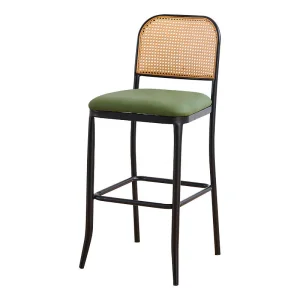
In addition, sustainable materials are transforming global procurement criteria. Real estate developers aiming for LEED or BREEAM certification require furniture built from FSC-certified wood, recycled post-consumer plastics, and low-VOC (Volatile Organic Compounds) coatings. This demand has spurred manufacturers to rethink their material selections. For instance, pairing an iron frame with wicker or rattan backrests not only adds a warm, biophilic aesthetic but also integrates renewable, natural fibers into a durable, commercial-grade product.
The next decade of seating design belongs to smart material integration and modularity. Anticipate these core movements:
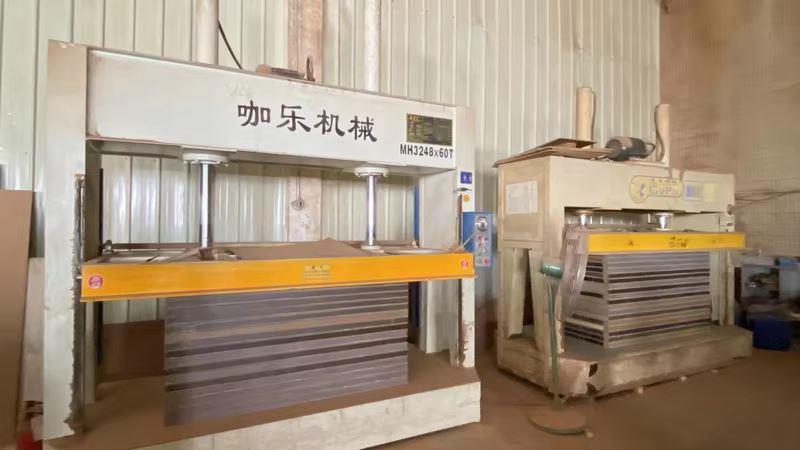
Step-by-step documentation of our manufacturing workflow, showcasing how raw materials are transformed into certified commercial furniture.
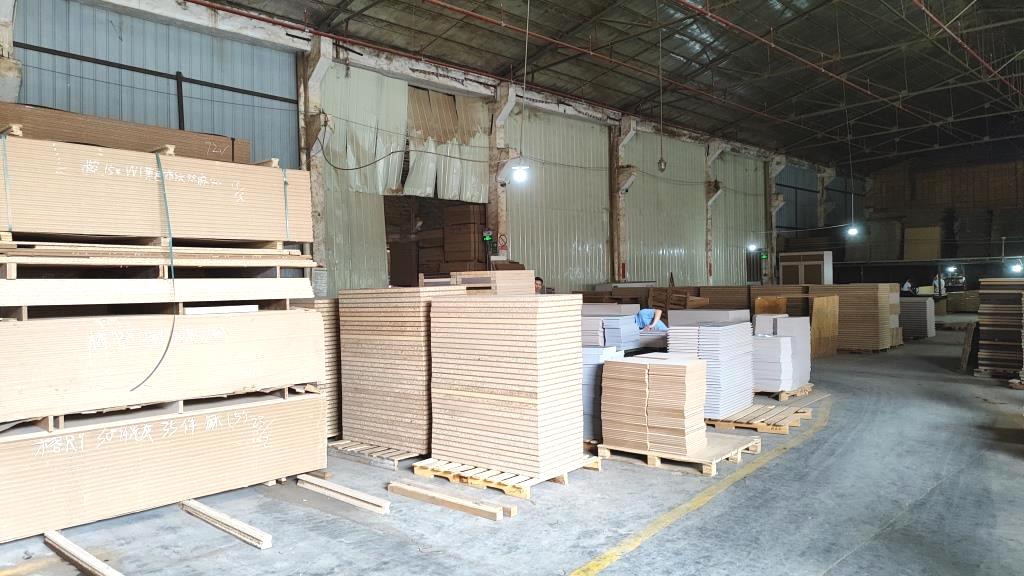
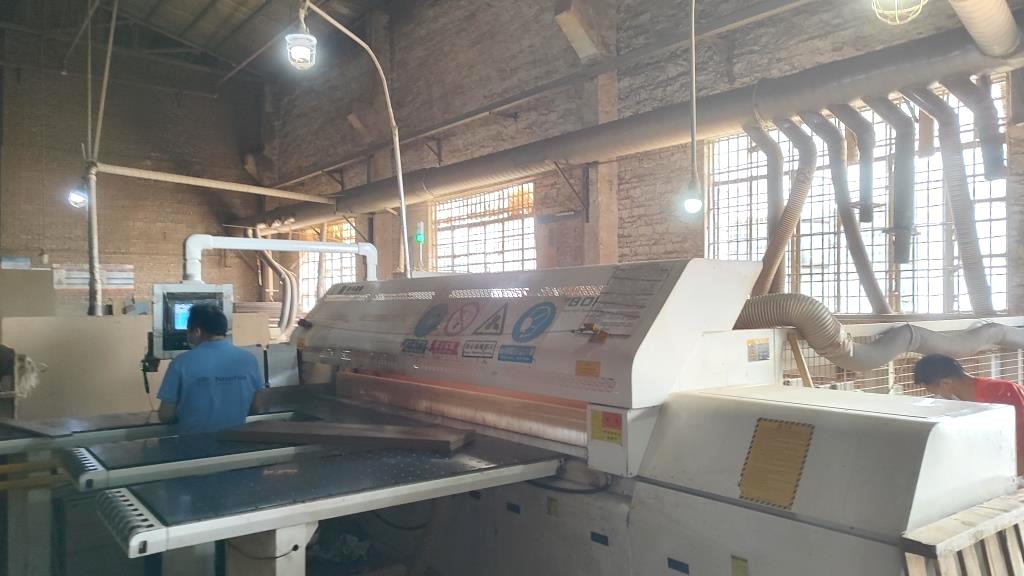
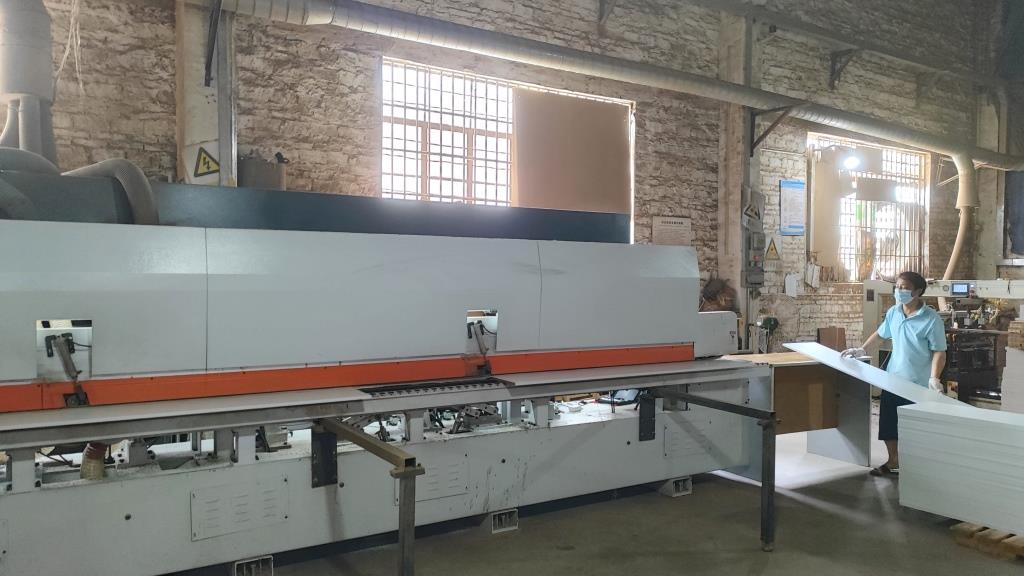
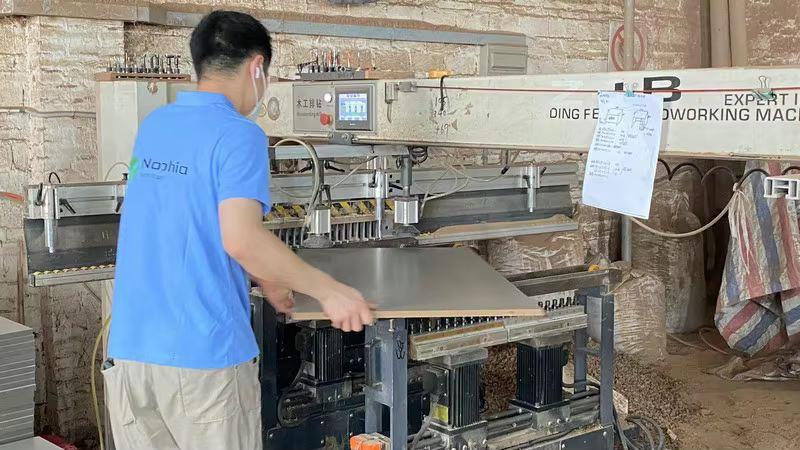
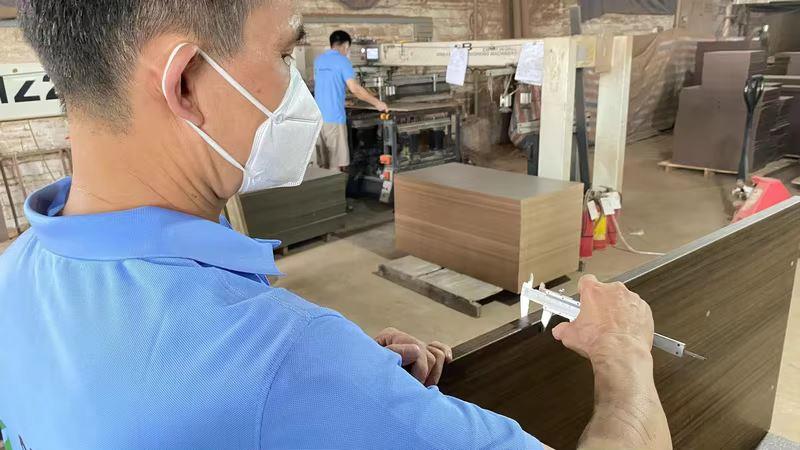
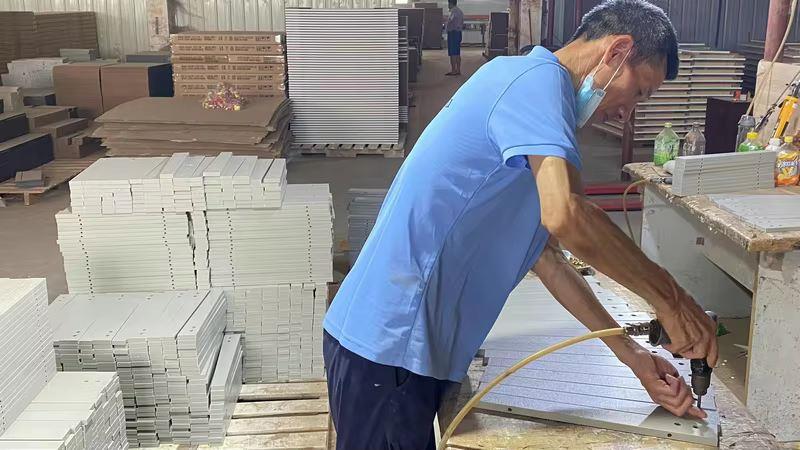
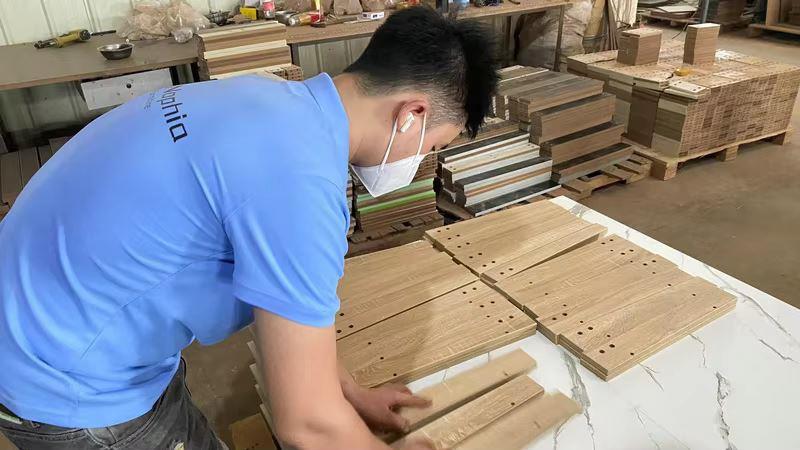
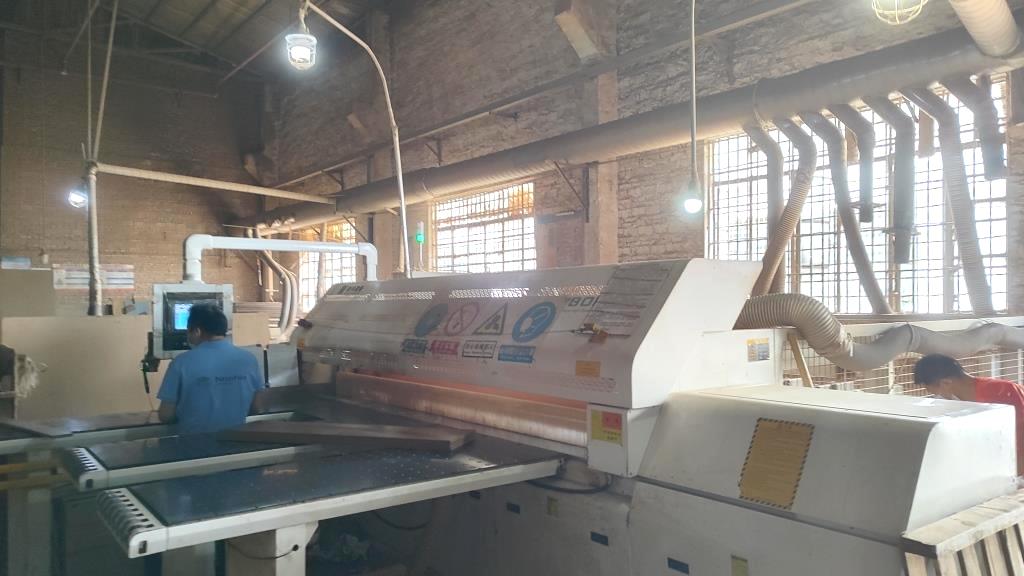
Continue exploring our product selection, including space-saving solutions, luxury recliners, and contract display systems.
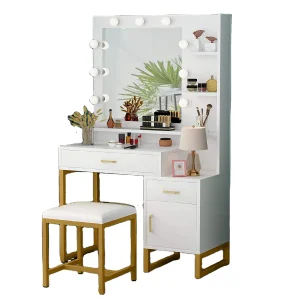
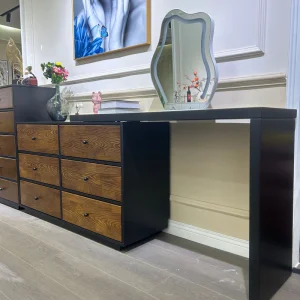
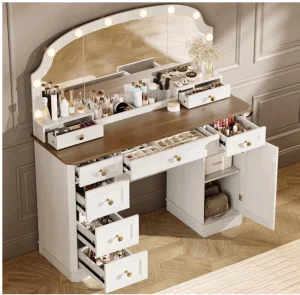
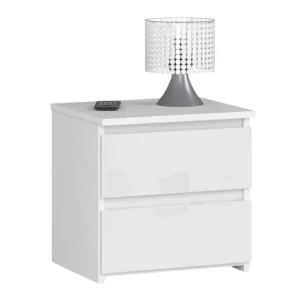
A structured framework for supply chain directors to assess structural integrity, lead times, and compliance profiles.
Managing the procurement pipeline for high-volume furniture rollouts requires a balance of quality, cost, and logistics. A standard purchase order can fall apart if a supplier fails to address raw material variability, joint fatigue, or packaging integrity. For professional procurement teams, the vetting protocol for a bar stool manufacturer should cover several critical steps:
For steel-framed stools, ensure the factory uses heavy-duty, cold-rolled steel tubes (typically 1.2mm to 1.5mm wall thickness). Ask for detail on the welding methodology; robotic welding provides more consistent weld penetration and eliminates the weak spots associated with manual torch application. Frame coatings should use electrostatic powder baking rather than standard air-spray paint, ensuring maximum resistance to chips, scratches, and cleaning solvents.
The comfort and longevity of upholstered stools are directly tied to foam density. Commercial seating requires high-resiliency polyurethane foam with a density rating of at least 30 kg/m³ to 45 kg/m³. If deploying to public spaces, hotels, or universities in North America or the UK, check compliance with localized fire-retardant standards, such as CAL 117 (California Technical Bulletin 117-2013) or BS 5852.
Transit damage is a common source of friction in international furniture importing. Professional manufacturers resolve this issue by executing strict packaging drop tests, adhering to ISTA (International Safe Transit Association) 1A or 3A standards. This involves utilizing double-wall corrugated cartons, high-density polyethylene edge guards, and custom molded EPS foam packaging blocks to shield fragile surfaces like wicker backs, wood veneers, or metal joints from shifting during container transport.
Clear, direct answers to common questions about commercial standards, minimum orders, lead times, and custom customization options.
To ensure optimal ergonomics, the distance from the top of the stool seat to the underside of the counter should range between 25 cm to 30 cm (approx. 10 to 12 inches). For a standard counter (90 cm high), a seat height of 60 to 65 cm (counter-height stool) is recommended. For a standard bar counter (105 cm high), a seat height of 75 to 80 cm (bar-height stool) is required.
Our standard MOQ for standard metal and wooden dining chairs and bar stools is typically 50 to 100 units per color/style, depending on the material availability. For fully custom ODM designs requiring unique injection molds or specialized stamping tooling, the MOQ may range from 200 to 500 units.
We work with verified suppliers to source all raw materials, which are inspected by our internal QC team upon arrival. We conduct structural static load tests, leg strength tests, and back durability tests designed to meet international standards (such as EN 1728 and ANSI/BIFMA X5.1). Test reports are available to B2B buyers upon request prior to container shipment.
Our standard production lead time is 30 to 45 days after deposit confirmation, depending on order volume and material specifications. For repeat container orders, lead times can often be reduced to 25 to 30 days. Payment terms are typically 30% T/T deposit, with the 70% balance payable against the Bill of Lading (B/L) copy, or L/C at sight for eligible corporate accounts.
 Oakes Furniture