10 Tips to Arrange Living Room Furniture for Perfect Space

Time:2026-07-28 Author:Sophia
0%

The living room serves as a central hub in most homes, making its layout crucial for comfort and functionality. A well-arranged living space can enhance mood, productivity, and even social interaction. According to the National Association of Home Builders, 85% of homeowners prioritize their living areas when making design decisions. Understanding how to arrange living room furniture is essential to achieving an inviting and efficient space.

Research indicates that a thoughtful arrangement can also improve traffic flow. Many people overlook the importance of movement within a room. A poorly arranged space can lead to frustration and restricted access. For instance, leaving too much space between seating can create unnecessary isolation. Experts suggest focusing on conversation areas while maintaining visual balance.

Crafting an ideal layout may seem straightforward, yet common mistakes happen. Ignoring scale, lighting, and furniture style can affect harmony. Arranging furniture should be a reflection of your personal style while accommodating everyday needs. Remember, perfection isn't the goal; it's about creating a space that feels right for you.
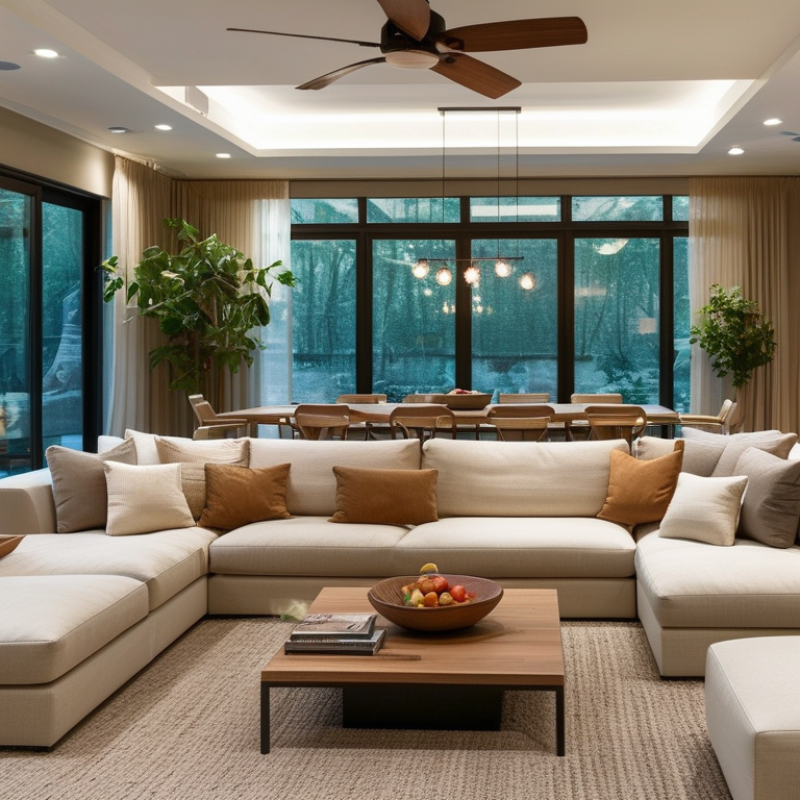
10 Tips to Arrange Living Room Furniture for Perfect Space

Understanding Traffic Flow: Enhancing Movement in Living Spaces

Arranging living room furniture requires a keen understanding of traffic flow. This optimization helps enhance the movement in your space. When designing, consider how people will naturally navigate the room. Aim for at least 18 inches of walking space between furniture pieces. This can prevent congestion and ensure easy access to key areas.

One effective tip is to group furniture in a way that encourages conversation. Position sofas and chairs in a U-shape. This layout not only creates an inviting atmosphere but also room for movement. However, be mindful of where you place side tables. They should be within easy reach yet not block pathways.

Another idea is to use rugs to define zones. Rugs can add warmth while guiding foot traffic. Ensure they are large enough for the front legs of furniture to rest on or extend all the way around. It's a delicate balance; too small, and it can feel disconnected. Reflect on your layout regularly. Do you feel cramped? Are walkways clear? Adjustments may be necessary as your needs change.

Defining a Focal Point: Importance of Centering Furniture Around Key Features

Arranging living room furniture effectively starts with defining a focal point. Centering your furniture around key features enhances the room's overall appeal and functionality. According to industry studies, 70% of homeowners prioritize a visually pleasing layout. This often includes a fireplace, an entertainment center, or a large window as the focal point.

One effective tip is to arrange seating in a way that promotes conversation. Position sofas and chairs toward the focal point, allowing for a natural flow. Keep the distance between seating comfortable—between 8 to 10 feet is ideal for communication. Use side tables to balance the space and provide convenience.

Another important aspect is to maintain visual balance. Not every item has to be symmetrical, but the overall arrangement should feel cohesive. Incorporate varying heights and textures without overcrowding the space. A common mistake is pushing all furniture against the walls, which can make the room feel disconnected. Make sure to leave enough space for movement; 42 inches is recommended for walkways.

When in doubt, reevaluate your layout. Sometimes, a different arrangement can reveal a fresh perspective. Check how the arrangement affects the flow and vibe of the room. A well-defined focal point can elevate not just the design but also the comfort of your living area.

10 Tips to Arrange Living Room Furniture for Perfect Space

Tip Number Tip Description Key Feature to Focus
1 Choose a focal point such as a fireplace or a large window. Fireplace
2 Arrange seating around the focal point to encourage conversation. Conversation Area
3 Use area rugs to define different spaces within the living room. Rug Placement
4 Incorporate multifunctional furniture to maximize space. Multifunctional Pieces
5 Leave pathways clear to maintain flow and accessibility. Pathways
6 Balance the arrangement by spacing out furniture evenly. Balanced Layout
7 Consider natural light and position furniture accordingly. Natural Light Source
8 Incorporate personal elements to reflect your style. Personal Touches
9 Use lighting fixtures to enhance the ambiance. Lighting Features
10 Experiment with different layouts before finalizing. Layout Variations

Balancing Functionality and Aesthetics: Practical Tips for Living Room Layout

Arranging living room furniture can seem daunting. Striking a balance between functionality and aesthetics is crucial. According to the National Association of Realtors, a well-designed living space can increase home value by up to 15%. Creating an inviting atmosphere enhances both comfort and visual appeal, making your living room a focal point.

Consider traffic flow when selecting furniture arrangements. The optimal layout often allows for easy movement and social interaction. Aim for at least 30 inches of walking space between pieces to prevent crowding. Utilize versatile furniture, like modular seating, to adapt to changing needs. This flexibility not only meets functional requirements but also keeps the space visually engaging.

Lighting is another key element. Natural light can transform a room. Using layered lighting adds depth. However, be mindful of furniture placement blocking windows or light sources. Reflect on your choices. If something feels off, don't hesitate to rearrange. The goal is to cultivate a space that feels both personal and welcoming. Remember, the best layouts are not just about looks but about how they work with your lifestyle.

Incorporating Scale and Proportion: Choosing the Right Furniture Sizes

When arranging living room furniture, size choices matter. A large sectional may overwhelm a small space. Conversely, tiny chairs can get lost in a vast room. It’s crucial to consider the scale of each piece. The right dimensions create harmony and make your space inviting.

Measuring before buying is essential. Mark the floor with tape where furniture will go. Visualizing dimensions helps in making the right choices. A good rule is to leave at least 18 inches between pieces for easy movement. This setup enhances airflow and gives a sense of spaciousness. Aim for a balanced look by mixing larger and smaller items.

Don’t forget about height variations. Tall bookshelves can make a room feel taller, while low furniture creates a cozier atmosphere. Reflection on the relationship between furniture sizes can transform a living room. It's about finding the right mix. Consider the visual weight of each item, too. Sometimes, the most attractive spaces come from a mix of different styles and sizes. Take your time to reassess and adjust as needed.

Utilizing Zones: Creating Distinct Areas for Different Activities in the Room

Creating distinct zones in your living room is essential for enhancing functionality and comfort. According to the American Society of Interior Designers, properly arranged furniture can improve communication, enhance relaxation, and create a welcoming environment. Consider dedicating areas for different activities, like reading, entertaining, or watching TV.

One effective tip is to use area rugs to establish boundaries. A thoughtfully placed rug can visually separate spaces without the need for physical barriers. Another idea is to arrange furniture in a way that encourages conversation. Positioning sofas and chairs towards each other fosters interaction.

Lighting is another key element. Use lamps to highlight specific zones, creating an inviting reading nook or a cozy conversation area. Remember to leave enough space to move between zones to avoid clutter. While you want distinct areas, fluidity is crucial to avoid the room feeling disjointed. Balancing these elements can lead to imperfections in the layout, allowing for flexibility in arrangement.

FAQS

: How much walking space should I allow between furniture?

: Allow at least 18 inches of walking space. This prevents congestion and ensures easy access.

What is a good furniture arrangement for conversations?

Arrange sofas and chairs in a U-shape. This encourages conversation and allows for movement.

How can rugs help in furniture arrangement?

Use rugs to define zones. They can add warmth and guide foot traffic, enhancing the space.

Why is it important to consider furniture scale and proportion?

The right sizes create harmony. A large sectional can overwhelm a small room, while tiny chairs can get lost.

How can I visualize furniture dimensions before buying?

Measure and mark the floor with tape. This helps in visualizing how pieces will fit together.

How do I create distinct zones in my living room?

Use rugs and furniture placement to establish areas for different activities. Use lamps to highlight specific zones.

What should I reflect on regularly in my living room layout?

Consider if you feel cramped or if walkways are clear. Adjustments may improve comfort and functionality.

What role does lighting play in a living room?

Good lighting highlights zones. It creates inviting areas for reading or conversation, enhancing the overall atmosphere.

How can balancing furniture sizes improve my layout?

Mixing larger and smaller items creates visual interest. Take time to reassess for a more inviting space.

How can a flexible layout improve my living space?

Allow for adjustments to avoid feeling disjointed. Flexibility can lead to a more functional and comfortable environment.

Conclusion

Arranging living room furniture effectively is essential for creating a comfortable and functional space. To start, understanding traffic flow is key; ensuring smooth movement throughout the area enhances overall accessibility. Additionally, defining a focal point helps in centering furniture around key features, making the room inviting and cohesive.

Balancing functionality and aesthetics is crucial—each piece should serve a purpose while contributing to the overall look. It's also important to incorporate scale and proportion when selecting furniture, ensuring items fit the space without overwhelming it. Finally, utilizing zones in the living room allows for distinct areas tailored to various activities, making your environment more organized and enjoyable. Overall, knowing how to arrange living room furniture with these tips can transform your living space into a harmonious retreat.

Sophia

Sophia

Sophia is a dedicated marketing professional with an exceptional depth of knowledge about her company's products and services. With a keen understanding of market trends and customer needs, she crafts insightful blog posts that not only inform but also engage readers, enriching the company’s online......