When contemplating what is the ideal dining table height, many factors come into play. According to Claire Montague, an interior design expert known for her work on functional spaces, "A well-proportioned dining table enhances both comfort and conversation." This statement underscores the significance of selecting the right height for your dining table.
Dining tables typically range from 28 to 30 inches in height. However, every household is different. For instance, if you have family members with varying heights, an adjustable table could be worth considering. Remember, comfort is key when making a decision. If the table is too high or low, it can affect the dining experience negatively.
In addition to height, chair selection matters greatly. Choosing chairs that complement the table height is crucial for achieving a harmonious dining setup. The ideal distance between the seat of the chair and the tabletop should be about 10 to 12 inches. This balance ensures ease of movement and comfort for all guests. Think about your own dining habits as you explore this topic; sometimes, the perfect table is more about personal comfort than standards.
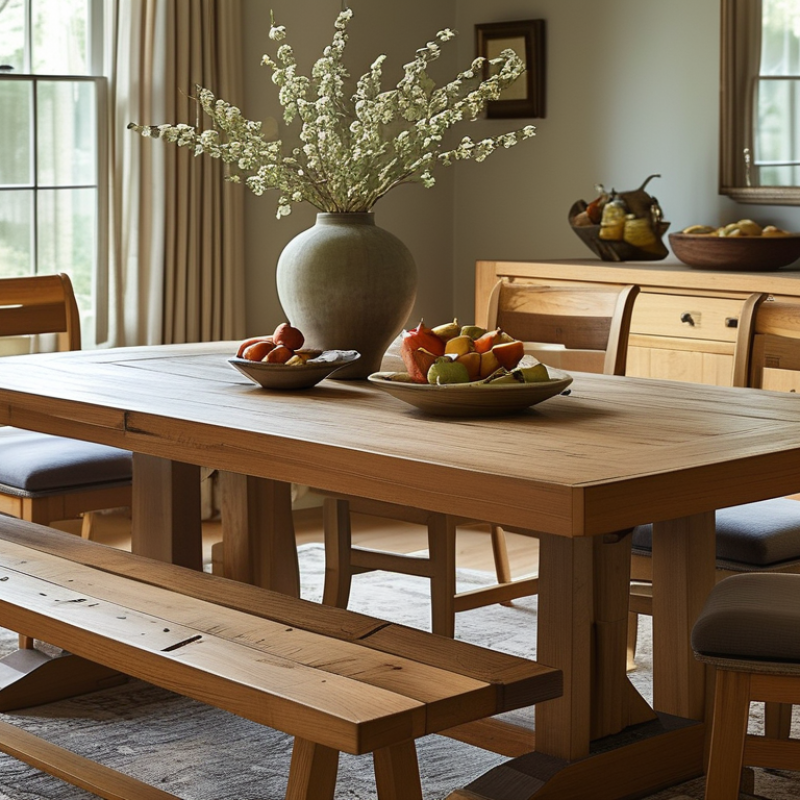
When considering the ideal dining table height, ergonomics plays a crucial role. According to the American National Standards Institute (ANSI), the recommended dining table height ranges from 28 to 30 inches. This height accommodates most people comfortably, promoting proper posture during meals. An ergonomic setup helps to reduce strain on the back, shoulders, and wrists.
To enhance comfort, the space between the table and the chair seat is key. A clearance of 10 to 12 inches is ideal. This allows seated individuals to maintain a relaxed position. Reports by the Occupational Safety and Health Administration (OSHA) indicate that proper alignment reduces discomfort. However, variability exists due to personal preferences and body types. Not everyone may find standard heights suitable.
Feedback from users often highlights the challenges in achieving optimal comfort. Some diners may feel cramped. Others find tables too low, which strains the neck. Recognizing these nuances can lead to better choices in table design. Tailoring dining furniture to individual needs can enhance the overall dining experience.
| Height Category | Recommended Height (inches) | Recommended Height (cm) | Comfort Level |
|---|---|---|---|
| Standard Dining Table | 28 - 30 | 71 - 76 | High Comfort |
| Counter Height Table | 34 - 36 | 86 - 91 | Moderate Comfort |
| Bar Height Table | 40 - 42 | 102 - 107 | Low Comfort |
| Garden/Patio Table | 28 - 30 | 71 - 76 | High Comfort |
When selecting a dining table, height is crucial for comfort. Different body types and chair designs can significantly influence your ideal table height. Generally, standard dining tables range from 28 to 30 inches. This height suits most adults and allows for comfortable leg space. However, consider the height of your chairs. If they are taller, a slightly higher table may be needed.
For short individuals or those using lower chairs, aim for a table height between 26 to 28 inches. This adjustment ensures that they can comfortably reach their plates and enjoy their meals. Taller individuals might prefer tables between 30 to 34 inches, paired with higher seating. It’s important to create a comfortable atmosphere for everyone around the table.
**Tips:** Always test the table and chair combination before purchasing. Ensure that there’s about 10 to 12 inches of clearance for your legs. Remember that not all chairs work with every table. Certain styles may hinder comfort, especially for longer dining sessions. Reflect on your choices and don’t rush the process; comfort should always come first.
The height of your dining table can significantly impact your posture and overall health. When a table is too high or too low, it creates strain on your back, neck, and shoulders. This leads to discomfort during meals and can cause long-term health issues. Research indicates that maintaining proper alignment while seated can enhance digestion and reduce fatigue.
Choosing the right dining table height is key. Ideally, the table should be about 28 to 30 inches from the ground. This height accommodates most people comfortably. When seated, your elbows should be at a 90-degree angle. If they are too high or low, it may lead to strain.
To ensure maximum comfort, here are some tips: Measure your chair height when selecting your table. A standard dining chair is generally 18 inches tall. If your table doesn’t match this, adjust your choice. Consider your guests too. A table that suits an average height may not work for everyone. Pay attention to how you feel while dining. If you notice discomfort, it might be time to reassess your table choice.
Adjustable dining tables are becoming increasingly popular for their versatility in comfort. Many households now prefer this option to accommodate various needs. The ability to modify the height makes mealtimes more enjoyable. It allows everyone at the table to find their optimal seating position. Comfort is key when enjoying meals with family or friends.
These tables can be a great solution not just for adults. They adjust easily for children too. When kids can reach their plates, they feel more independent. This promotes good dining manners and habits. However, some users may find it challenging to change the height. Not every model works smoothly. This can lead to frustration during meals.
Customization can help bridge this gap. By adjusting the table, families can ensure everyone is comfortable. But it also means regular maintenance. Users must check mechanisms often to avoid issues. Understanding how to operate your table height is crucial. It can take time to figure out the best setup. A well-adjusted table can transform meal experiences.
The design of dining tables significantly influences the meal experience. For example, a recent report from the Furniture Today market research indicated that 67% of consumers prefer lighter wood tones for their dining tables. This trend creates a more inviting atmosphere, which can enhance conversation during meals. A comfortable setting can lead to longer dining durations, fostering better connections among family and friends.
Moreover, the ideal dining table height is crucial. An ergonomic height encourages comfort and eases digestion. A study published by the International Journal of Gastronomy states that diners at tables between 28 to 30 inches report a 25% higher satisfaction rate in their meal experience. Additionally, incorporating various table shapes, like round or oval, encourages intimacy. These shapes allow for easy eye contact, increasing the quality of interactions.
However, it’s not just about comfort. Tables with intricate designs or bold patterns can distract diners and reduce focus on the meal. A balance is necessary. Designers face the dilemma of evolving tastes versus timeless appeal. As preferences shift, they must reflect on whether new trends enrich gatherings or simply complicate them. This reflection is vital for creating spaces that foster true connections during mealtime.
: The ideal height ranges from 28 to 30 inches for comfort.
A 10 to 12 inches clearance helps keep a relaxed position while seated.
Shorter individuals may need tables between 26 to 28 inches for better reach.
Tables between 30 to 34 inches are suitable for taller people with higher seating.
Improper height can strain your back and shoulders, leading to discomfort.
Test the table and chair combination to ensure about 10 to 12 inches of clearance.
No, certain chair styles do not pair well, affecting comfort during meals.
Correct height can enhance digestion and reduce fatigue while dining.
Measure your chair height and adjust the table accordingly for proper alignment.
It may indicate the need to reassess your table and chair choice for better comfort.
When considering what is the ideal dining table height, it is important to understand ergonomics and comfort standards. Generally, recommended table heights vary based on different body types and chair designs, ensuring that users can maintain a comfortable posture while dining. Research highlights the significant impact of table height on posture and overall health, emphasizing the need for tables that accommodate various physical nuances.
Additionally, adjustable dining tables emerge as a practical solution to cater to custom comfort needs, allowing users to modify height based on preference. Design trends in dining tables also play a role in enhancing the meal experience, influencing not just aesthetics but also the functional aspects of dining. Ultimately, achieving the ideal dining table height promotes both comfort and health, making mealtimes more enjoyable.

Oakes Furniture