When exploring the world of furniture design, many people ponder what is the difference between modern and contemporary furniture. These two terms often cause confusion, yet they represent distinct styles. Understanding these differences enhances your ability to make informed choices for your space.
Modern furniture emerged in the early 20th century. It reflects minimalism and simplicity, focusing on function. Clean lines and organic forms characterized this movement. For example, a sleek chair may serve as both decoration and seating. In contrast, contemporary furniture is ever-evolving. It mirrors current trends and often encompasses a mix of styles.
This distinction is crucial for anyone looking to personalize their environment. Some pieces might blend features from both categories, leading to uncertainty. By examining the characteristics and history of each style, one can better appreciate the subtleties involved. This knowledge will empower you to make furniture choices that resonate with your aesthetic vision.
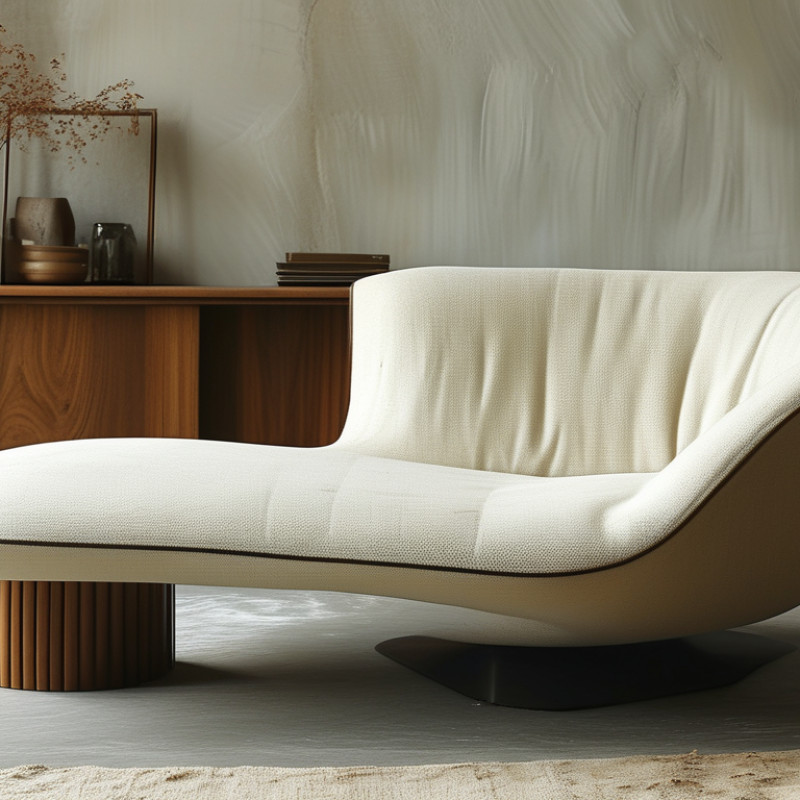
Modern furniture is marked by its clean lines and functional design. It emerged in the early to mid-20th century, reflecting the industrial boom. This style emphasizes simplicity, often featuring materials like steel, glass, and plywood. The aesthetics are rooted in minimalism, where every piece serves a purpose.
Functionality sets modern furniture apart. Each item, whether a chair or a table, is designed for everyday use. You may notice that many modern pieces lack ornamental details. Instead, they emphasize geometric shapes and open spaces. This approach allows for a versatile and practical living environment.
Yet, this minimalism can lead to an impersonal atmosphere. A living space filled with modern furniture may feel cold or stark. Adding warmth through textiles or personal items can counterbalance this effect. Ultimately, while modern furniture excels in functionality, it may require thoughtful accents for a cozy home.
| Dimension | Modern Furniture | Contemporary Furniture |
|---|---|---|
| Definition | Refers to a style that originated in the early to mid-20th century. | Refers to the design style that is current, ever-evolving, and pertains to the present day. |
| Characteristics | Clean lines, minimalism, and a focus on function. | Mix of styles, variety of materials, and reflects current trends. |
| Materials | Wood, leather, and metal with a focus on quality. | Glass, plastic, and mixed materials with playful designs. |
| Color Palette | Neutral colors with occasional bold accents. | Varied colors that can include vibrant and trendy hues. |
| Influences | Influenced by the Bauhaus and Mid-Century movements. | Draws from various global styles and modern art. |
: Modern furniture is characterized by clean lines and functional design. It emphasizes simplicity and practicality.
Modern furniture emerged in the early to mid-20th century during the industrial boom.
Common materials include steel, glass, and plywood. These materials enhance the minimalist aesthetic.
Modern furniture focuses on everyday use, often lacking ornamental details. Geometric shapes are emphasized.
Modern furniture can create a cold, impersonal atmosphere. It may feel stark without personal accents.
Adding textiles and personal items can help balance the coldness of modern furniture, creating a cozier vibe.
Contemporary furniture reflects current trends, incorporating bold colors and a mix of styles for a dynamic look.
Modern pieces may lack warmth, while contemporary designs can appear eclectic. Both aspects need thoughtful consideration.
Cultural context shapes preferences; for instance, modernism values functionality, while contemporary styles embrace comfort and aesthetic diversity.
The article "2026 Best Difference Between Modern and Contemporary Furniture?" explores the fundamental distinctions between modern and contemporary furniture styles. Modern furniture, characterized by clean lines and functional forms, emerged from the early to mid-20th century, emphasizing minimalism and a blend of craftsmanship with innovative materials. In contrast, contemporary furniture reflects current trends and is ever-evolving, incorporating diverse designs that resonate with today's aesthetics.
Understanding "what is the difference between modern and contemporary furniture" is crucial for making informed choices in interior design. The article delves into the cultural and historical influences that shape these styles, highlighting how they cater to different tastes and preferences. Ultimately, it guides readers in selecting the right furniture style to complement their spaces, whether they lean towards the timeless appeal of modern design or the fluid, trendy nature of contemporary aesthetics.

 Oakes Furniture